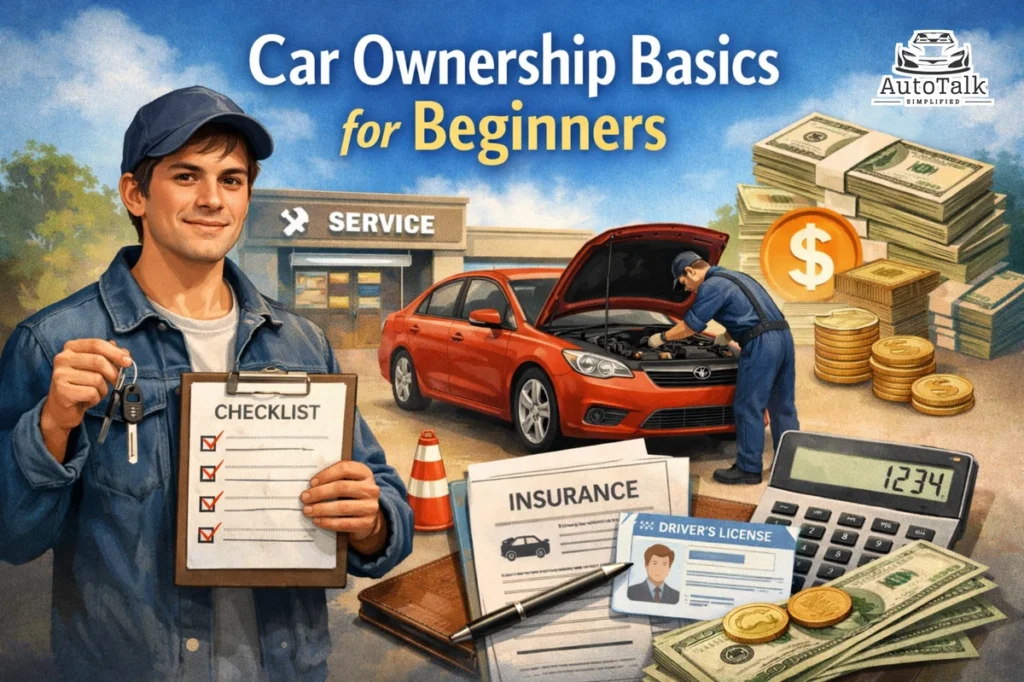
Owning a car is not just about buying it and driving away. Once you own a car, there are ongoing costs that continue every month and every year. Many beginners are surprised by this because the purchase price feels like the biggest expense. Before reaching this stage, it helps to understand the car buying process for beginners so you can plan these costs more effectively.
The cost of owning a car includes much more than fuel. Insurance, maintenance, registration, and other regular expenses all add up over time. Some costs are predictable. Others appear only when something wears out or needs repair.
For beginners, understanding car ownership costs early makes a big difference. It helps you budget better, avoid financial stress, and make smarter decisions about your car. You do not need exact numbers to start. You need clarity about what costs exist and when they usually occur.
This guide breaks down ownership costs in a simple and practical way, so you know what to expect after buying a car.
What the Cost of Owning a Car Really Means
When people hear the phrase “cost of owning a car,” they often think about fuel alone. In reality, ownership costs are the total set of expenses required to keep a car legal, safe, and usable over time.
Instead of one single expense, car ownership costs fall into three main types.
Upfront Ownership Costs
These are costs that usually appear once, right after buying a car.
- Vehicle registration and title fees
- Initial insurance setup
- State or local taxes related to ownership
Even though these costs do not repeat often, they are still part of the total cost of owning a car.
Monthly and Recurring Costs
These are the expenses most car owners deal with on a regular basis.
- Fuel or electricity for driving
- Insurance premiums
- Loan or lease payments
These costs form the core of your monthly car ownership expenses. They affect your budget every month.
Periodic and Unexpected Costs
Some costs do not show up every month, but they are unavoidable over time.
- Routine maintenance and servicing
- Tire replacement and brake wear
- Repairs when parts fail or wear out
These costs are often overlooked by beginners. But they play a major role in long-term ownership.
Understanding these three types of costs gives a clearer picture of what owning a car actually involves. The goal is not to calculate exact numbers yet. The goal is to recognize which costs exist, how often they occur, and why they matter. Once that is clear, managing car ownership costs becomes more predictable and manageable.
Monthly Car Ownership Costs Beginners Should Expect
For most car owners, the average cost of owning a car in the US typically falls between $700 and $1,000 per month. This range reflects national averages. It includes the most common recurring expenses tied to owning and using a car. These costs continue every month, regardless of how new or old the car is.
Over a full year, this means the cost of owning a car per year can range between $8,400 and $12,000 for many drivers. For beginners, understanding this range helps set realistic expectations. It gives you a base before you break the costs down further.
Fuel and Energy Costs
Fuel or energy is one of the most visible monthly ownership costs.
- Gasoline vehicle owners typically spend $150 to $250 per month on fuel. It depends on driving distance, fuel prices, and vehicle efficiency.
- Electric vehicle owners generally spend $50 to $100 per month on charging. Expect lower costs when charging at home and higher costs when relying on public chargers.
Driving habits play a major role here. Longer commutes and frequent trips push fuel or charging costs toward the higher end of the range.
Insurance Costs
Car insurance is a required and ongoing cost of ownership in the U.S.
- On average, drivers pay $150 to $200 per month for car insurance.
- Newer drivers, younger drivers, or those with limited driving history often pay above the average.
Insurance costs vary by state, coverage level, and vehicle type. But they remain a consistent monthly expense for most owners.
Loan Payments or Lease Payments
Many car owners finance their vehicle or lease it instead of paying the full price upfront. This creates a fixed monthly payment.
- Average loan or lease payments commonly range from $500 to $700 per month. It depends on the vehicle price, interest rate, and loan or lease term.
These payments exist even if the car is rarely driven. They are separate from fuel, insurance, and maintenance costs and must be budgeted alongside them.
Taken together, these expenses form the core monthly cost of owning a car. Some months may fall below the average, while others may exceed it. But these ranges give beginners a realistic picture of what ongoing car ownership usually costs in the U.S.
Unexpected Car Ownership Costs New Owners Often Forget
Not every car expense follows a schedule. Some costs appear suddenly and often at the worst possible time. These are often considered hidden costs of car ownership, and they are one of the main reasons beginners feel unprepared, even when they budget well.
Unexpected costs do not mean rare. They are a normal part of owning a car over time.
Repair Costs Outside Routine Maintenance
Even well-maintained cars can develop problems that require repair.
- Unexpected repairs can range from $200 to $1,500 or more, depending on the issue.
- Electrical problems, sensor failures, cooling system issues, and worn components are common examples.
These repairs are different from routine servicing. They are harder to predict and often need attention quickly to avoid further damage.
Battery Replacement and Breakdown Expenses
Car batteries do not last forever, and they often fail without much warning.
- Battery replacement typically costs $150 to $300, including installation.
- Towing or roadside assistance during a breakdown can add $75 to $200 if coverage is not included with insurance or a service plan.
These costs may not appear often, but they are very common over the life of a car.
Why Emergency Costs Happen Even With Reliable Cars
Many beginners assume that buying a reliable car eliminates surprise expenses. In reality, wear and age affect all vehicles.
Heat, cold, road conditions, and time slowly weaken car parts. When something finally fails, the cost feels sudden, even though the wear happens gradually. This is why unexpected expenses are considered part of ownership, not a sign of poor maintenance.
Planning for the Unexpected
A simple way to reduce stress is to plan for emergency costs in advance.
Setting aside a small monthly buffer helps cover:
- repairs
- battery replacements
- roadside emergencies
This does not prevent problems, but it makes them easier to handle when they occur.
How Car Type Affects Ownership Costs
The type of car you buy has a direct impact on how much it costs to own over time. Two cars with the same purchase price can have very different ownership costs depending on how they are built, powered, and used. This is why first-time owners sometimes feel confused when their real expenses do not match what they expected at the time of buying.
Ownership costs are shaped by more than just brand or appearance. Factors like fuel type, vehicle size, and whether the car is new or used all influence long-term spending.
New Cars Versus Used Cars
New cars often feel more predictable in the beginning. They usually need less immediate repair work and may come with warranties that reduce early repair costs. However, new cars tend to have higher insurance premiums and higher loan or lease payments.
Used cars usually cost less to buy and insure, but ownership costs can rise if maintenance and repairs become more frequent. For beginners, the key difference is not which option is better. Rather understanding that a lower purchase price does not always mean a lower ownership cost.
Gasoline, Hybrid, and Electric Cars
Fuel type plays a major role in ownership costs over time.
Gasoline cars usually have predictable fuel costs. However, they are more affected by changes in fuel prices. Hybrid vehicles often reduce fuel spending. But they can have higher buying prices and more complex systems. Electric vehicles usually have lower energy costs. However, they generally involve higher upfront costs and charging considerations.
Each option shifts where the money goes. Fuel savings in one area may be balanced by higher costs in another.
Smaller Cars Versus Larger Vehicles
Vehicle size also affects ownership costs. Smaller cars generally use less fuel and cost less to insure. Larger vehicles, such as SUVs and trucks, often cost more to fuel, insure, and maintain. Tires, brakes, and other wear items are also more expensive on heavier vehicles.
For beginners, this means that choosing a larger car often increases ownership costs. It happens even if the purchase price feels reasonable.
Understanding how car type influences ownership costs helps beginners make sense of why expenses vary so widely. The goal is not to choose the cheapest car possible. It is to choose a car whose ongoing costs match your budget and driving needs.
How Beginners Can Manage Car Ownership Costs Better
Managing car ownership costs is not about avoiding expenses. It is about making them predictable and controlled. Beginners often feel costs are fixed and unavoidable. But many ownership expenses are influenced by everyday choices.
Small changes in how costs are planned and handled can make ownership feel far less stressful.
Think in Monthly Terms, Not Yearly Surprises
One of the most common mistakes beginners make is planning costs only when they appear. When ownership costs are viewed yearly, they often feel sudden and overwhelming. When the same costs are planned monthly, they become easier to manage. This applies to maintenance, insurance renewals, and even emergency repairs. Spreading expected expenses over the year reduces financial pressure. It also helps avoid panic spending.
Address Small Issues Before They Become Expensive
Minor problems are cheaper to fix than major failures. Ignoring small warning signs often leads to larger repair bills later. Regular checks and timely servicing usually cost less than dealing with breakdowns or major component replacements. Early attention does not eliminate repair costs, but it limits how large they become.
Balance Coverage and Services Carefully
Cutting costs without understanding them often backfires. Paying for unnecessary services increases ownership expenses. At the same time, skipping essential coverage or maintenance can create much higher costs later. Beginners benefit more from balanced decisions than extremes. Understanding what is essential and what is optional helps control long-term spending.
Awareness Reduces Cost-Related Stress
Knowing which costs are normal changes how ownership feels. When expenses are expected, they feel manageable. When they appear without warning, they feel stressful. Awareness helps beginners recognize that many costs are part of normal ownership, not signs that something is wrong. Managing car ownership costs becomes easier when you understand them before they appear.
Frequently Asked Questions
How much does it cost to own a car per month in the U.S.?
For many car owners, monthly ownership costs typically fall between $700 and $1,000. This includes common expenses like fuel or charging, insurance, and loan or lease payments. Actual costs vary based on the type of car, location, and driving habits.
Is owning a car more expensive than most beginners expect?
Yes. Many beginners focus on the purchase price and underestimate ongoing costs. Insurance, maintenance, and unexpected repairs often add up faster than expected. It is a serious concern, especially during the first few years of ownership.
Are electric cars cheaper to own than gas cars?
Electric cars often have lower energy and maintenance costs. But they may come with higher buying prices and insurance costs. Whether they are cheaper to own depends on charging access, driving habits, and local incentives.
What car ownership costs do new owners usually forget?
New owners often forget to plan for:
- routine maintenance
- tire replacement
- registration renewals
- unexpected repairs
These costs do not appear monthly, but they are a normal part of long-term ownership.
Can good maintenance actually reduce car ownership costs?
Yes. Regular maintenance helps prevent larger repairs later. While maintenance adds to short-term costs, it usually reduces total ownership expenses. It does so by limiting breakdowns and extending the life of major components.
Conclusion
Owning a car involves more than the initial purchase. The cost of owning a car includes monthly expenses, yearly obligations, and occasional unexpected costs. Understanding these costs is an important part of learning the basics of car ownership, especially for beginners.
When you plan and understand car ownership costs, they become predictable rather than stressful. With the right expectations, simple habits, and informed decisions, beginners can manage ownership. They can do it confidently and avoid many common financial surprises that come with owning a car.