Buying a car is an important step for many beginners. But car ownership involves more than just driving. Once you own a car, you are responsible for keeping it safe, legal, and in good condition.
Many new car owners feel unsure about what they are supposed to do after buying a car. Questions about servicing, documents, costs, and warning signs often come up early. Without basic guidance, it is easy to ignore small issues or feel stressed when something unexpected happens.
This guide explains car ownership basics for beginners in a simple and practical way. It focuses on what to know after buying a car, without using technical language or repair instructions. You will learn what your responsibilities are as an owner, what matters most in everyday ownership, and when you should pay attention or take action.
Car ownership does not require expert knowledge. With a clear understanding of the basics, beginners can manage their cars more confidently and avoid many common mistakes.
What You Are Responsible for as a Car Owner
Owning a car means taking care of a few key responsibilities that continue throughout ownership. These responsibilities are not technical, but they are essential. Understanding them is a core part of car ownership basics for beginners.
Keeping Your Car Legal to Drive
One of the most important responsibilities of car ownership is keeping the car legal. This includes having valid registration, proper insurance, and required documents in place. Even if your car is running well, missing or expired documents can still create problems.
If these documents are not updated, you may face fines, penalties, or restrictions on using your car across all U.S. states. Understanding this responsibility early helps you avoid unnecessary stress and legal trouble.
Paying Attention to Your Car’s Condition
Another key responsibility of owning a car is awareness. You are not expected to repair the car yourself, but you are expected to notice changes. Strange sounds, warning lights, or changes in how the car feels should not be ignored.
Cars usually show early signs when something is wrong. When you respond to these signs on time, you often prevent bigger and more expensive problems later.
Planning for Ongoing Ownership Costs
Managing costs is also part of car ownership. Expenses such as fuel, insurance, servicing, and wear and tear are normal. If you focus only on fuel costs, other expenses can come as a surprise.
Understanding that these costs are part of ownership helps you plan better. Good planning makes owning a car feel more manageable and less stressful.
Knowing When to Seek Professional Help
While mechanics and service centers handle technical work, the decision to visit them belongs to you. Knowing when to take your car to a service center is an important ownership skill.
When you understand your role as an owner, you can take action with more confidence instead of waiting until a small issue becomes a bigger one.
Car Documents Every Owner Should Understand
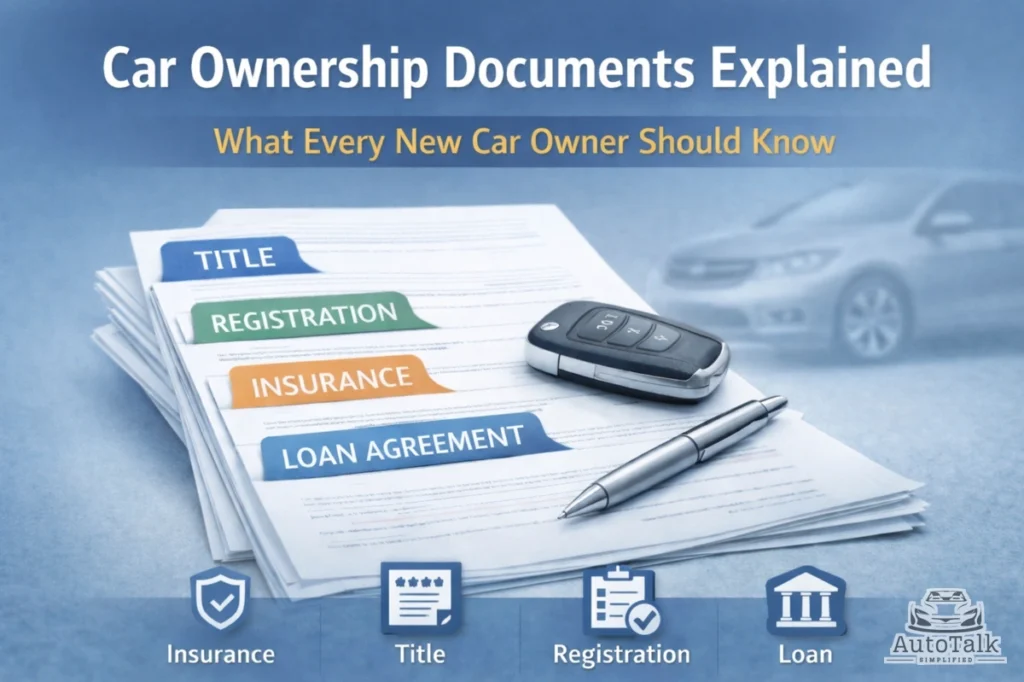
One important part of car ownership basics for beginners is knowing which documents are connected to your car. These documents are not just paperwork. They prove that the car is legal to drive, insured, and properly maintained. Many ownership problems arise just because required documents are missing, expired, or misunderstood.
Registration and Proof of Ownership
Every car in the U.S. must be registered with the state. Registration shows that the car is legally allowed on the road. Along with registration, there is also proof of ownership, commonly called the title. These documents are usually issued when a car is purchased or transferred.
If registration expires or ownership records are incorrect, the car may not be legal to drive. This can lead to fines or other penalties. Understanding the role of these documents helps prevent avoidable legal issues later.
Insurance Documents
Car insurance is required in most states and is a key part of car ownership. Insurance documents show that the car is covered in case of an accident or damage. While coverage details can vary, having active insurance is a basic responsibility of ownership.
Insurance paperwork is often requested during traffic stops, accidents, or registration renewals. Knowing where these documents are and keeping them up to date is an important ownership habit.
Service and Maintenance Records
Service and maintenance records show the history of work done on the car. These records may include routine servicing, repairs, and inspections. They help track how the car has been cared for over time.
Keeping basic service records can be helpful. They are handy when diagnosing problems or planning future maintenance. They also add value if the car is sold later. This is a simple practice that supports responsible car ownership.
Why These Documents Matter
Car documents support more than just legal requirements. They help create clarity and accountability throughout ownership. The organized and up-to-date documents make managing servicing, insurance, and unexpected situations easier.
For new car owners, understanding these documents early reduces confusion. It also prevents delays when action is needed.
Understanding Car Servicing and Maintenance Expectations
For many beginners, car servicing feels confusing and sometimes intimidating. Some people believe servicing is only needed when a problem appears. Others assume servicing is something mechanics decide, not owners. In reality, servicing is a planned part of car ownership. It helps keep the car safe, reliable, and predictable over time.
Understanding how servicing fits into ownership helps beginners make calm decisions. It keeps them from reacting only when something goes wrong.
What Car Servicing Means
Car servicing refers to regular checkups that are done to keep the car working as it should. These checkups are preventive in nature. The goal is to reduce wear, catch issues early, and keep the car operating within safe limits.
Servicing is not about fixing a broken car. It is about maintaining a working car. Even when a car feels fine, parts continue to wear down slowly. Fluids age, and small adjustments may be needed. Regular servicing helps manage these changes before they turn into visible problems.
This understanding forms an important part of car ownership basics for beginners.
Why Regular Servicing Is Necessary
Every time you drive a car, its parts experience stress. Over weeks and months, this stress adds up. Without servicing, small issues often remain hidden until they become serious.
Regular servicing helps reduce the chances of sudden breakdowns. It also supports better fuel use, smoother driving, and safer operation. Cars that are serviced on time tend to last longer and behave more predictably. Understanding how long do cars last also helps beginners set realistic expectations about vehicle lifespan.
When servicing is ignored, owners often face higher repair costs later. Many of these repairs could have been avoided with basic preventive care.
How Service Timing Usually Works
Most cars follow a general service schedule set by the manufacturer. This schedule is based on time and usage because different parts of the car wear out at different rates. A typical car maintenance schedule for new owners explains what service usually happens during the first year and when those visits should occur.
Beginners do not need to memorize service intervals. All you need to remember is that servicing should be done at regular periods. Even if your car appears to be running well, professional examination is necessary. Treating service as a routine responsibility helps prevent last-minute decisions under pressure.
Routine Servicing Compared to Repairs
Routine servicing and repairs serve different purposes. Servicing is planned and preventive. Repairs usually happen after something stops working correctly.
Many beginners delay servicing because they believe it is unnecessary if the car feels normal. This misunderstanding often leads to sudden repair needs later. Knowing the difference between servicing and repairs helps you make better long-term decisions.
Your Role as a Car Owner
Service centers and mechanics handle the technical work, but you decide when the car goes in for service. This does not require mechanical knowledge. It requires awareness, planning, and follow-through.
When you understand what servicing is meant to do and why it matters, it becomes easier to approve service visits with confidence. This awareness helps you stay in control of car care instead of feeling dependent or unsure.
How Much It Really Costs to Own a Car
One of the most important parts of car ownership basics for beginners is understanding the real cost of owning a car. Many beginners focus only on fuel or charging costs. In reality, car ownership includes several ongoing expenses that add up over time.
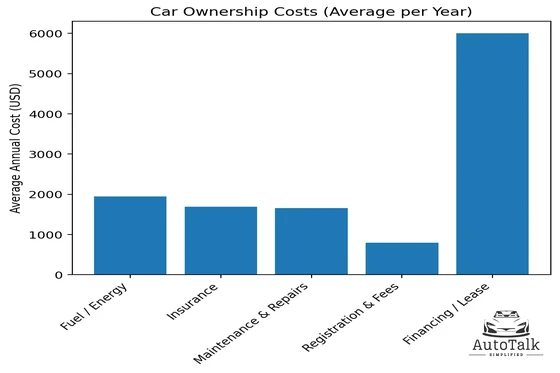
According to national averages reported by the American Automobile Association (AAA), the average cost of owning and operating a car in the United States is about $11,500 to $12,300 per year. This equals roughly $950 to $1,025 per month. These figures include fuel or electricity, insurance, routine maintenance, repairs, registration fees, and other ownership-related costs. They reflect national averages and may vary by state, vehicle type, and driving habits.
Knowing this big picture helps beginners plan better and avoid financial surprises.
Fuel and Charging Costs
Fuel and charging represent a significant part of car ownership expenses. For gasoline and diesel vehicles, fuel costs depend on how often you drive and local fuel prices. On average, drivers pay about $1,950 per year on fuel based on typical U.S. driving distances.
For electric vehicles (EVs) and plug-in hybrid electric vehicles (PHEVs), energy comes from electricity instead of gasoline or diesel. Charging at home costs money too, based on electricity rates. For example, if electricity costs about 16–17 cents per kilowatt-hour, and a typical EV uses around 30 kWh to travel 100 miles, then charging costs can add up by the month depending on how much you drive.
Whether you are paying for gasoline, diesel, or electricity, it’s helpful to include these energy costs in your budgeting.
Insurance and Legal Costs
Car insurance is required in nearly every state and is a fixed part of ownership costs. On average, insurance premiums in the U.S. run around $1,694 per year. However, the exact number varies by state, driving history, and coverage level.
In addition to insurance, you also pay for registration fees, taxes, and license costs each year. These are smaller than fuel and insurance but add to the total cost you should expect as an owner.
Routine Servicing and Maintenance
Regular servicing and maintenance are needed to keep the car safe and reliable. According to recent consumer data, the average U.S. owner spends around $1,656 a year on routine maintenance and repairs. These costs include oil changes, tire maintenance, brake checks, and small repairs that come up as the car ages or is driven more.
Wear and Tear and Unexpected Costs
Some car-related costs are harder to predict but still expected, such as replacing tires, unexpected component repairs, or costs associated with age-related wear. Planning ahead for these expenses, either with savings or a service plan, can make ownership less stressful.
Monthly Payments From Financing or Leasing
Most people do not buy cars outright. Many use financing or leasing, which adds a monthly payment to overall car ownership costs. Based on recent U.S. national averages, monthly car loan payments are commonly in the range of $500 to $750 per month. While the lease payments often fall around $450 to $600 per month, depending on the vehicle and terms.
These payments continue for a fixed period and are often the largest regular expense during that time. It is important to understand that monthly payments are separate from ownership costs like fuel or charging, insurance, servicing, and registration. Those costs continue whether a car is financed, leased, or fully paid for.
For the best car ownership experience, plan for monthly payments alongside other recurring expenses. It helps you avoid budget pressure during the ownership period.
Why Awareness Matters
Many beginners underestimate the cost of owning a car because they focus only on the purchase price and not the ongoing expenses.
However, knowing that the average cost of car ownership is around $11,500–$12,300 per year helps beginners set realistic expectations. These figures include fuel or charging energy, insurance, routine servicing, and other standard ownership expenses.
Car ownership basics for beginners become easy if they plan for these costs ahead of time. They also avoid the common mistake of budgeting only for the buying price or monthly payments.
What Owners Should Check vs What Mechanics Handle
One common source of stress for beginners is not knowing what they should handle themselves and what should be left to professionals. Understanding this boundary is an important part of car ownership basics for beginners. It helps reduce confusion, builds confidence, and prevents unrealistic expectations.
What Car Owners Are Expected to Pay Attention To
As a car owner, your role is more about awareness, not technical work. Owners are expected to notice changes in how the car behaves and respond in a timely way.
This includes paying attention to warning lights, unusual sounds, changes in braking or steering feel, and visible issues like leaks or damaged tires. You are also responsible for keeping up with basic schedules such as servicing and renewals.
These checks do not need tools or mechanical knowledge. They require observation and consistency. This level of involvement is a normal part of car ownership.
What Mechanics and Service Centers Handle
Mechanics and service centers are responsible for diagnosing problems, repairing parts, and performing technical servicing. This includes work related to the engine, brakes, transmission, electrical systems, and other complex components.
When a car goes in for service, professionals use tools and training to inspect areas that owners cannot access safely. Their role is to fix problems and perform maintenance that requires expertise.
Understanding this division helps beginners avoid feeling pressure to handle issues on their own.
Why Knowing the Difference Matters
Many beginners either worry too much about minor issues or ignore important warning signs. Knowing what falls under owner responsibility and what belongs to professionals helps prevent both extremes.
When owners understand their role, they are more likely to seek help at the right time. This often leads to lower repair costs and fewer unexpected problems. It also helps build trust and clearer communication with service centers.
Staying In Control Without Doing Repairs
Being in control of car ownership does not mean fixing the car yourself. It means understanding what to watch for, when to ask questions, and when to approve professional help.
This balance allows beginners to manage their cars responsibly. They can finally let go of feeling overwhelmed or dependent.
Warning Signs Car Owners Should Never Ignore
One of the most important skills for a first-time car owner is knowing when something needs attention. Cars often give early signals before a serious problem develops. Recognizing these signals helps owners act early and avoid bigger issues later.
This awareness is a key part of car ownership responsibilities, especially for people who are new to owning and managing a vehicle.
Dashboard Warning Lights
Dashboard warning lights are designed to get attention. When a warning light turns on, it usually means the car has detected a problem that should be checked.
Some lights signal urgent issues, while others point to problems that can worsen if ignored. Even if the car still drives normally, warning lights should not be dismissed. Understanding that these lights exist to protect the car and the driver helps new owners respond more calmly and responsibly.
Unusual Sounds, Smells, or Vibrations
Cars usually sound and feel the same during normal driving. When new noises appear, such as grinding, squealing, or knocking, it often means something has changed.
Strange smells or unusual vibrations can also signal developing problems. These signs do not always mean immediate danger, but they do suggest that the car needs attention. For new car owners, noticing these changes early can prevent more serious damage.
Changes in Braking, Steering, or Handling
When a car starts to feel different while braking, turning, or driving straight, it should not be ignored. A change in braking response, steering effort, or overall stability can affect safety.
These changes are important warning signs because they impact control of the car. Knowing when to take your car to a service center becomes especially important when driving behavior no longer feels normal.
Leaks or Visible Damage
Visible issues are often the easiest warning signs to notice. Puddles under the car, damaged tires, or cracks and bulges should be taken seriously.
Even small leaks can lead to larger problems if left unattended. Checking the car occasionally for visible changes supports responsible car ownership. It helps owners act before problems escalate.
Why Acting Early Matters
Many serious car problems begin as small and manageable issues. A light turning on, a new sound, or a slight change in how the car feels is often an early signal rather than a sudden failure. When these signs are noticed and addressed early, the solution is usually simpler and less costly.
Delaying action often allows small issues to grow. What could have been a routine check may turn into a situation where you must make a repair vs replace car part decision. By this stage, the issue may already be affecting other parts of the car. This is one reason new car owners sometimes feel overwhelmed. The problem was not the warning sign itself, but waiting too long to respond to it.
Understanding what every car owner should know about early warning signs helps remove guesswork. Acting early does not always mean an immediate repair. Sometimes it simply means inspecting the car and asking questions. And if necessary, scheduling a service visit before the issue becomes urgent.
Early action also improves safety and peace of mind. When owners respond calmly and on time, the car remains more reliable. The costs stay more predictable, and driving feels less stressful. This habit supports responsible car ownership and helps beginners build confidence over time.
Common Car Ownership Mistakes Beginners Make
Many problems faced by first-time car owners come from simple misunderstandings rather than major errors. These mistakes are common, especially in the early years of ownership. Knowing what to avoid helps new owners manage their cars more confidently and reduce unnecessary stress.
Ignoring Small Warning Signs
One of the most common new car owner mistakes is ignoring early warning signs. A light on the dashboard, a new sound, or a small change in driving feel may not seem serious at first.
When these signs are dismissed, small issues often grow into larger problems. Paying attention early is one of the most effective basic car ownership tips for avoiding expensive repairs later.
Skipping or Delaying Regular Servicing
Some beginners delay servicing because the car appears to be running fine. Others assume servicing is optional unless something breaks.
Regular servicing is part of normal car ownership responsibilities. Skipping it increases the risk of sudden breakdowns and higher repair costs. Staying consistent with service schedules helps keep the car reliable and predictable.
Underestimating Ownership Costs
Another common mistake is planning only for fuel or charging costs. Many beginners are surprised by insurance renewals, maintenance expenses, and other recurring costs.
Understanding car ownership costs in the US at a high level helps prevent financial pressure. Awareness makes it easier to budget and avoids the feeling that expenses appear without warning.
Waiting Too Long to Seek Professional Help
Some owners wait until a problem becomes severe before visiting a service center. This often happens because of uncertainty about whether an issue is serious enough.
Knowing when to take your car to a service center is an important ownership skill. Getting a car checked early does not always lead to repairs, but it does provide clarity and peace of mind.
Assuming Ownership Means Doing Repairs Yourself
Beginners sometimes feel pressured to understand or fix technical issues on their own. This can lead to confusion or unsafe decisions.
Good vehicle ownership does not require repair skills. It requires awareness, planning, and knowing when to rely on professionals. Understanding this boundary helps owners feel more confident and less overwhelmed.
Frequently Asked Questions About Car Ownership
How often should a car be serviced?
Service frequency depends on the car and how it is used. Most manufacturers recommend servicing a car at regular time or mileage intervals, even if nothing feels wrong. For a novice car owner, the important point is that servicing is expected and planned. It is not something done only after a problem appears.
Following the manufacturer’s schedule helps keep the car reliable. It also prevents small issues from becoming expensive repairs.
Is it expensive to own a car as a beginner?
Owning a car can feel expensive if costs are not planned for. On average, car ownership costs in the US are over $11,000 per year, including fuel or charging, insurance, maintenance, and other expenses.
For beginners, the cost itself is not usually the problem. The problem is being unprepared. Understanding the main expenses ahead of time makes ownership more manageable.
What should I do if my car suddenly feels different while driving?
If the car starts to feel different while braking, steering, or driving normally, it is best not to ignore it. Changes in sound, vibration, or handling often signal developing issues.
Knowing when to take your car to a service center helps prevent small problems from turning into safety risks. Getting the car checked early often provides clarity even if no repair is needed.
Can I rely completely on a service center to manage my car?
Service centers handle technical work, but the owner still plays an important role. Owners decide when to bring the car in, approve service, and keep track of documents and schedules.
Understanding new car owner responsibilities helps prevent confusion. It also reduces the risk of unnecessary repairs. A basic level of involvement leads to better communication and more confident decisions.
Conclusion
Understanding car ownership basics for beginners is about knowing what to expect and how to respond. Owning a car involves responsibilities. From managing documents, planning for costs, and keeping up with servicing to paying attention to warning signs.
When these basics are clear, car ownership feels more manageable and less stressful. You do not need technical knowledge to be a responsible owner. Awareness, planning, and timely decisions are enough to handle everyday ownership with confidence.