Many first-time buyers focus on price or appearance when choosing a vehicle. However, the test drive is the step where you understand how the car actually feels on the road. Learning how to test drive a car helps you evaluate comfort, steering, braking, and overall driving confidence before making a final decision.
A car may look perfect online or in person, but small details like seat comfort, visibility, and braking response only become clear when you drive it. These factors directly affect how comfortable and confident you feel behind the wheel, which is why the test drive is one of the most important steps in the buying process.
Before you visit a dealership or meet a private seller, you may also wonder what do you need to test drive a car. Being prepared allows you to focus on evaluating the vehicle instead of spending time figuring out basic requirements during the visit.
This guide will help you understand:
- how to prepare for a test drive
- what to evaluate while driving
- common mistakes beginners make
- a simple checklist to follow
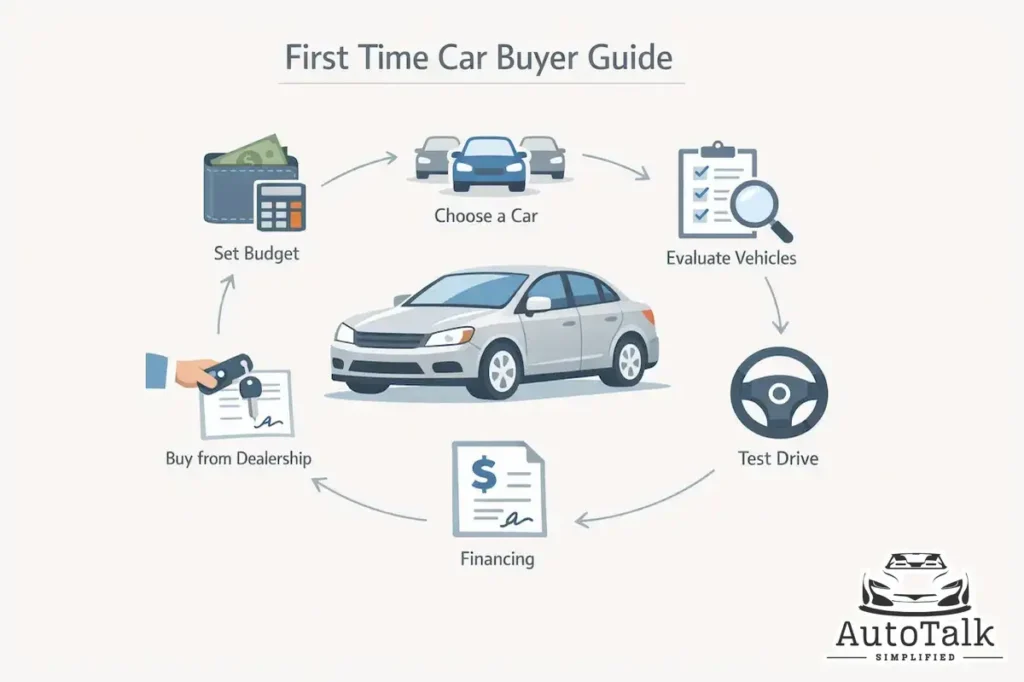
A test drive is one step in your overall car buying process, and each stage helps you make a more informed decision.
What Is a Test Drive and Why It Matters
A test drive helps you understand how a car feels and performs in real driving conditions before deciding if it is right for you. It allows you to evaluate comfort, visibility, steering response, braking feel, and overall ride quality in ways that photos or specifications cannot show.
Once you start driving, you begin to notice details that are easy to miss otherwise. For example, the seat may feel uncomfortable after a few minutes, or the steering may feel too sensitive or too heavy. These details directly affect your control, comfort, and confidence while driving.
Understanding what to look for when test driving a car keeps your attention on how the vehicle performs rather than how it looks. Instead of focusing only on design or features, you begin to evaluate how the car behaves in everyday driving situations.
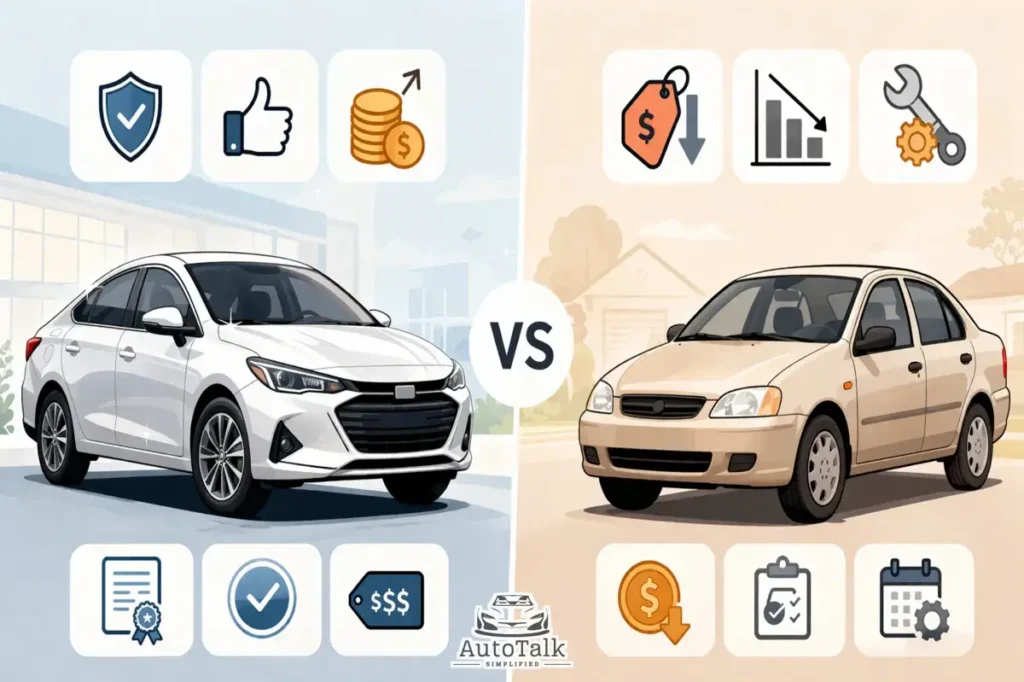
A test drive is important whether you are buying a new or used vehicle. In both cases, it helps you decide if the car matches your needs and feels comfortable for regular driving.
How to Prepare Before a Test Drive
Before learning how to test drive a car, you need to prepare for it. You need your driver license, a planned route, and a few key questions ready. This preparation allows you to stay focused and use the test drive to evaluate the car instead of figuring things out during the process.
Many beginners wonder, what do you need to test drive a car? And the answer comes down to having the right documents and a clear plan. When you are prepared, it becomes easier to pay attention to how the car feels and performs in different situations.
Bring the Required Documents
You need a valid driver license and basic identification to test drive a car at most dealerships. These documents confirm that you are legally allowed to drive.
Knowing what to bring for a car test drive helps you stay organized during the process. Carrying a phone or a small notebook makes it easier to record your observations and compare different vehicles later.
Plan the Test Drive Route
You should drive the car in different conditions to properly evaluate its performance. Testing only one type of road does not give a complete understanding of how the car behaves.
Include:
- city streets for stop-and-go traffic
- highway driving for speed and stability
- turns and stops to evaluate control and braking
Driving in multiple conditions gives you a clearer understanding of how the car responds in everyday situations.
Prepare Questions About the Vehicle
You should prepare a few important questions before the test drive to better understand the vehicle. This helps you evaluate both how the car drives and its overall condition.
Having a clear idea of questions to ask when test driving a car helps you guide your conversation with the seller or dealer. Focus on:
- vehicle history and previous ownership
- warranty coverage
- maintenance and service records
How to Test Drive a Car Properly
Learning how to test drive a car properly means evaluating comfort, steering response, braking performance, and ride quality while driving in different conditions. A good test drive is not just about driving the car but about noticing how it behaves and whether it feels easy and comfortable to control.
Adjust the Seat and Driving Position
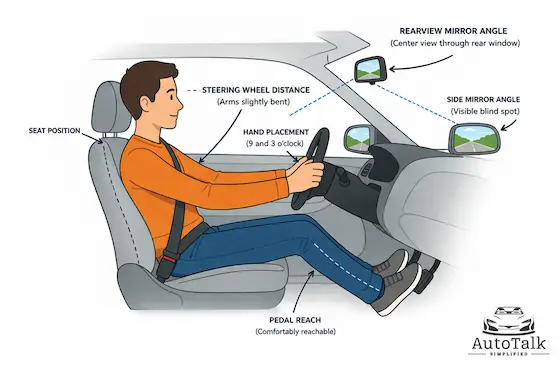
Start by adjusting the seat, steering wheel, and mirrors so you can sit comfortably and reach all controls easily. Your feet should reach the pedals without stretching, and your hands should rest naturally on the steering wheel.
A proper driving position improves comfort and gives you better control over the vehicle. If the seating position still feels uncomfortable even after adjustments, it is a strong sign that the car may not suit you for regular use.
Check Visibility and Mirror Position
Check how clearly you can see the road, mirrors, and surrounding traffic from the driver seat. Good visibility reduces stress and helps you stay aware of your surroundings.
Pay attention to blind spots and how easily you can adjust the mirrors. If you find yourself shifting your body or leaning forward just to see clearly, it can become tiring in daily driving, especially in traffic where quick awareness is important. Visibility issues like this are a key part of understanding what to look for in a test drive, especially for everyday driving comfort and safety.
Evaluate Steering Response
Pay attention to how the steering feels when turning the car. It should feel stable and easy to control without being too loose or too stiff.
Notice how the car responds when you make small turns or change lanes. If the steering feels overly sensitive or delayed, it can make everyday driving uncomfortable and harder to control.
Test Acceleration and Braking
Test how smoothly the car accelerates and how quickly it responds when you press the brake pedal. The vehicle should feel predictable and easy to control during both actions.
These checks are an important part of understanding what to check on a test drive. If the car hesitates when accelerating or the brakes respond with a delay, it can feel like pressing something and not getting an immediate response, which is a major concern when you need quick control on the road.
Try driving on challenging roads and traffic to see if the built-in systems like traction control, electronic stability control, anti-lock braking system, and others work properly or not. Please understand that these systems get activated only under serious conditions so do not try to put yourself under serious situations. Driving in active traffic can give you a good idea of such functions responsiveness.
Observe Ride Comfort and Road Noise
Observe how the car feels when driving over bumps or uneven roads. A comfortable suspension absorbs small shocks and keeps the ride smooth.
Also pay attention to vibrations and noise inside the cabin. Excessive noise or constant vibration can make long drives tiring, especially if you plan to use the car daily.
By the end of the test drive, you should have a clear sense of how the car feels in different situations. If multiple aspects like comfort, visibility, or braking feel off, it is a sign that the car may not be the right fit for your needs.
Test Driving a New Car vs a Used Car
Test driving a new car focuses more on comfort, features, and overall driving feel, while a used car requires closer attention to condition, wear, and potential issues. Both require the same basic evaluation, but the details you notice during the drive can differ.
Test Driving a New Vehicle
When test driving a new vehicle, focus on how comfortable and easy the car feels to drive. Pay attention to seating comfort, visibility, steering response, and how smoothly the car accelerates and brakes.
You should also take time to explore basic features such as infotainment controls, climate settings, and driver assistance systems. These features affect your daily driving experience, so it is important to check if they are easy to use and not distracting while driving.
If you are comparing options, understanding the differences between new and used cars can help you decide which type better fits your needs and budget.
Test Driving a Used Vehicle
When test driving a used vehicle, pay closer attention to how the car feels and sounds during the drive. Unlike new cars, used vehicles may have wear that is not immediately visible.
Understanding how to test drive a used car involves noticing signs like unusual noises, vibrations, or delayed responses while driving. These can indicate underlying issues that may affect long-term reliability.
Listen for sounds when accelerating, braking, or turning. Notice if the steering feels uneven or if the brakes respond inconsistently. These small signs can help you identify potential problems early.
It is also helpful to combine your observations with a proper inspection, since a used car inspection checklist helps you identify issues that may not be obvious during a short drive.
Common Test Drive Mistakes Beginners Make
Many beginners make simple mistakes during a test drive that prevent them from properly evaluating the car. These mistakes often happen because drivers focus on only one aspect of the car or rush through the process without testing it in different conditions. Avoiding these issues helps you notice important details and make a more confident decision.
- Driving only a short distance
A quick drive may not reveal how the car performs in different conditions. You may miss how it feels at higher speeds, during turns, or in stop-and-go traffic. - Focusing only on speed or acceleration
Testing how fast the car accelerates can feel exciting, but it does not reflect everyday driving. Comfort, control, and ease of handling matter more in daily use. - Ignoring comfort and visibility
Seating comfort and visibility may seem minor at first, but they directly affect how relaxed and confident you feel while driving. Small discomfort during a test drive often becomes more noticeable over time. - Not testing different road conditions
Driving only on smooth roads does not show how the car handles bumps, turns, or uneven surfaces. Without this, you may miss important details about ride quality and control.
Following such simple tips for test driving a car helps you avoid these mistakes and focus on what really matters during the process.
Quick Test Drive Checklist
A checklist helps you quickly review important factors so you do not miss anything during the drive. It keeps you focused and ensures that you evaluate the car properly instead of relying on memory.
Use this test drive checklist during your drive:
- Seat comfort and driving position
Check if you can sit comfortably and reach the pedals, steering wheel, and controls without strain. - Acceleration and braking
Notice how smoothly the car accelerates and how quickly and confidently it stops when you apply the brakes. - Steering response
Pay attention to how the steering feels when turning or changing lanes. It should feel stable and easy to control. - Ride comfort
Observe how the car handles bumps or uneven roads. A smooth ride improves comfort during daily driving. - Interior controls and infotainment
Check if buttons, screens, and controls are easy to use without distracting you while driving. - Visibility
Make sure you can clearly see the road, mirrors, and surrounding traffic without adjusting your position too much.
This kind of structured approach also makes it easier to compare multiple cars later, especially if you test drive more than one option.
Frequently Asked Questions
How long should a test drive be?
Most experts recommend driving a vehicle for at least 15 to 30 minutes so you can evaluate comfort, braking, steering response, and performance in different conditions. However, how long can you test drive a car may depend on the dealership’s policy, as some may allow longer drives if requested.
Can you test drive a car without buying it?
Yes, you can test drive a car without buying it. Dealerships expect potential buyers to test drive vehicles before making a decision, and there is no obligation to purchase after the drive.
Do you need insurance to test drive a car?
In most cases, you do not need your own insurance to test drive a car at a dealership. The dealership’s insurance usually covers the vehicle during the test drive, but it is still a good idea to confirm this before driving.
What questions to ask when test driving a car?
You should ask about the vehicle’s history, warranty coverage, and maintenance records when test driving a car. These questions help you understand the car’s condition, ownership background, and any potential issues.
Conclusion
Understanding how to test drive a car helps you evaluate comfort, driving behavior, and overall suitability before making a purchase. A proper test drive allows you to see how the car feels in real situations and whether it fits your daily needs.
Paying attention to steering, braking, visibility, and ride comfort helps you make more confident decisions. These details often have a lasting impact on your driving experience.
Approach the test drive as an opportunity to determine whether the car truly fits your needs, rather than just confirming that it looks or feels good at first glance.
Confused about what to pay attention to during a test drive?
Ask in the comments, and I’ll help you understand what really matters.