Last Updated: May 19, 2026
Buying your first car is exciting, but it can also feel overwhelming when you realize how many decisions are involved. Most first-time buyers are not just choosing a vehicle. They are also trying to understand pricing, financing, insurance, dealership processes, ownership costs, and long-term reliability, often all at the same time.
Some focus only on the monthly payment and ignore ownership costs. Others rush into buying a vehicle that does not actually fit their daily needs.
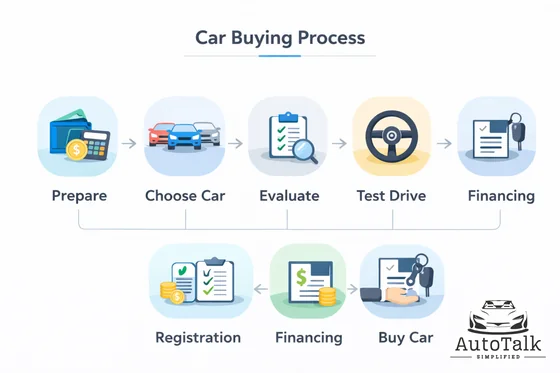
The good news is that buying your first car becomes much easier when you understand the process before stepping into a dealership or contacting a seller.
This first time car buyer guide breaks the process down into practical stages so you can make informed decisions with more confidence.
You will learn:
- how to set a realistic car-buying budget
- which type of vehicle best fits your lifestyle
- whether a new or used car makes more sense for your situation
- what to inspect before purchasing a vehicle
- what to expect during financing and dealership paperwork
- common mistakes many first-time buyers regret later
Whether you are buying a compact commuter car, a practical family SUV, or an affordable used vehicle, understanding these steps can help you avoid expensive mistakes and make a smarter long-term decision.
Preparing Before Buying Your First Car
Preparation is one of the most important steps in any car buying guide because it helps you avoid rushed decisions and unexpected costs. When you take time to plan ahead, you can approach the process with more clarity and confidence. Understanding these steps clearly can help you avoid the most common car buying mistakes first-time buyers face.
Knowing how to prepare before buying a car allows beginners to set realistic expectations before they start searching for vehicles. Instead of reacting to what is available, you can make decisions based on your actual needs and budget.
Understanding Your Budget
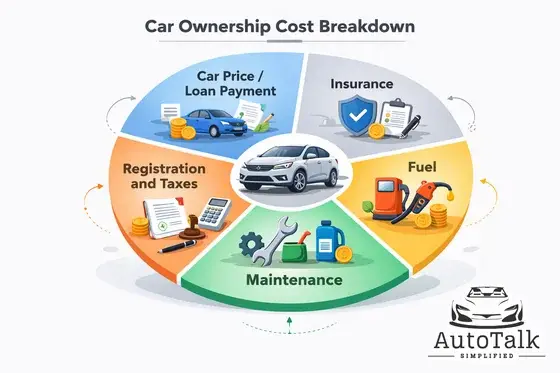
Your budget is not just the purchase price of the car. It should include both upfront costs and ongoing expenses.
Start by deciding how much you can afford as a down payment. A higher down payment can reduce your monthly loan amount. Next, set a monthly budget that fits comfortably within your income.
You should also consider long-term costs such as fuel, insurance, and routine maintenance. These costs can vary depending on the type of vehicle you choose, so it is important to plan for them early.
Identifying Your Driving Needs
Before choosing a car, think about how you will use it on a daily basis. Your driving habits should guide your decision.
If you have a long daily commute, fuel efficiency may be a priority. If you have a family, you may need more seating and space. Cargo needs, parking conditions, and road types are also important factors to consider.
By clearly understanding your needs, you can narrow down your options and avoid choosing a vehicle that does not fit your lifestyle.
Learning Basic Car Buying Terminology
Understanding basic terms can make the buying process easier and less confusing.
For example, MSRP refers to the manufacturer’s suggested retail price of a vehicle. Loan term describes how long you will be making payments on a car loan. Trade-in value is the amount a dealer offers for your current vehicle if you choose to exchange it.
Understanding these basic terms makes dealership conversations, financing offers, and vehicle pricing much easier to follow. This can help you ask better questions and avoid confusion during the buying process.
Choosing the Right Type of Car for Your Lifestyle
One of the biggest mistakes first-time buyers make is choosing a vehicle based only on appearance or popularity instead of daily practicality.
A car that works well for one person may become frustrating or expensive for someone else. Before comparing models, think about how you will actually use the vehicle every week.
For example:
- A college student driving mostly in the city may benefit from a compact hatchback that is easy to park and fuel-efficient.
- A commuter driving long highway distances may prefer a comfortable sedan with better fuel economy.
- A small family may need an SUV with extra rear-seat and cargo space.
When buyers understand their real driving needs first, choosing the right vehicle category becomes much easier.
Sedans for Daily Commuting
Sedans remain one of the best choices for first-time buyers because they are practical, comfortable, and usually less expensive to own than larger vehicles.
Models like the Honda Civic and Toyota Corolla are popular among beginners because they typically offer:
- good fuel economy
- lower insurance costs
- comfortable highway driving
- predictable maintenance expenses
Sedans are especially useful for commuters and drivers who spend a lot of time in urban or suburban traffic.
SUVs for Space and Flexibility
SUVs are popular because they combine passenger space, cargo capacity, and higher seating positions.
Vehicles like the Toyota RAV4 or Hyundai Kona can make sense for buyers who:
- travel frequently
- carry sports equipment or luggage
- need additional family space
- drive in mixed weather or rougher road conditions
However, many first-time buyers underestimate the higher ownership costs of SUVs. Insurance, tires, and fuel expenses are often higher compared to compact sedans.
Hatchbacks for Budget-Conscious Buyers
Hatchbacks are often overlooked, but they can be one of the smartest choices for new drivers.
Compact models offer:
- easier parking
- lower purchase prices
- flexible cargo space
- good city maneuverability
For buyers trying to reduce ownership costs while still getting practical storage space, hatchbacks can provide an excellent balance between affordability and daily usability.
Quick Comparison: Which Vehicle Type Fits You Best?
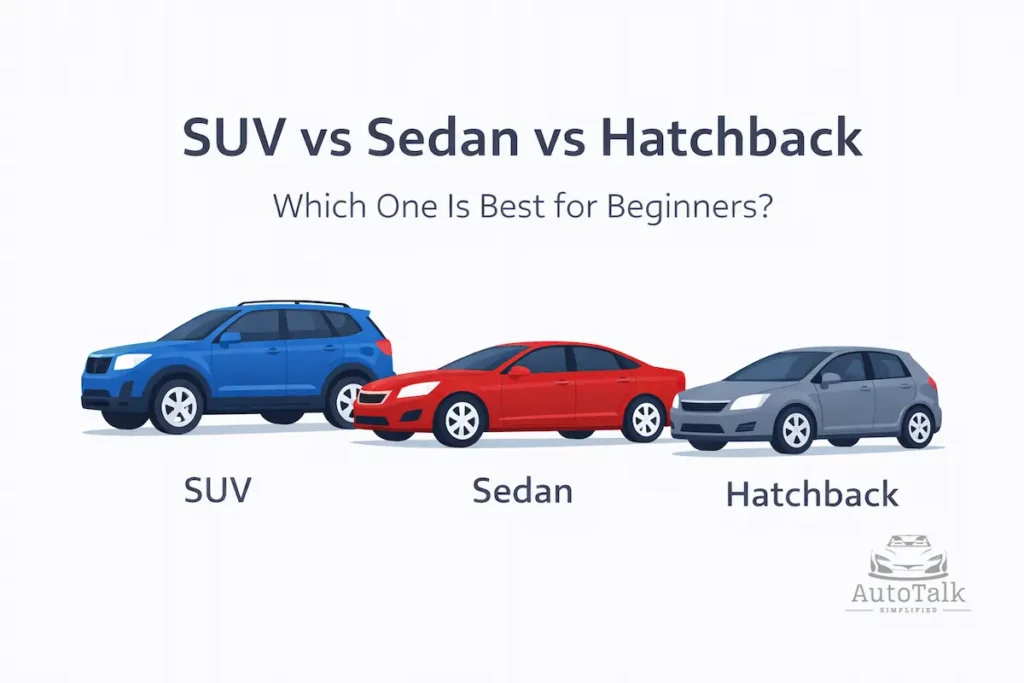
Different vehicle types are designed for different driving needs, ownership costs, and passenger requirements. Many beginners compare sedans, SUVs, and hatchbacks before choosing their first vehicle. Learning how these body styles differ can make it easier to choose a car that fits your lifestyle and budget.
| Vehicle Type | Best For | Main Advantages | Potential Drawbacks |
| Sedan | Daily commuting | Fuel-efficient, comfortable, lower ownership costs | Less cargo space |
| SUV | Families and travel | More space, higher seating position, versatility | Higher fuel and insurance costs |
| Hatchback | City driving and budget buyers | Easy parking, affordable, practical storage | Smaller rear seating area |
Deciding Between New and Used Cars
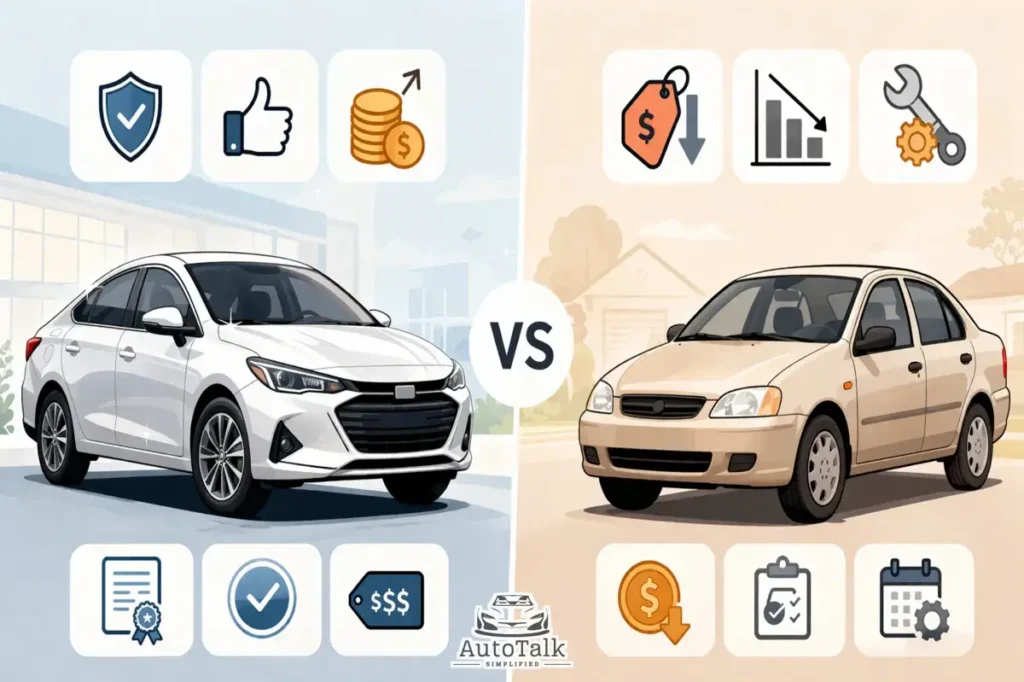
Choosing between a new or used vehicle is an important step when you are learning how to buy a car for the first time. Each option has its own advantages, and the right choice depends on your budget, preferences, and long-term plans.
Many first time buyers compare new and used cars based on cost, reliability, and ownership experience. Understanding these differences can help you make a decision that fits your situation.
Benefits of Buying a New Car
New cars offer the latest features and technology, which can improve comfort, safety, and driving experience.
They also come with manufacturer warranties, which can reduce repair costs during the early years of ownership. Maintenance is usually more predictable since all parts are new and have not been used before.
For buyers who want fewer unexpected issues and a more predictable ownership experience, a new car can be a reliable choice.
Advantages of Buying a Used Car
Used cars are usually more affordable than new ones, which makes them a practical option for first time buyers with a limited budget.
They also experience slower depreciation compared to new cars. This means the value of the car does not drop as quickly after purchase.
Insurance costs are often lower for used cars, which can help reduce overall ownership expenses.
When Each Option Makes Sense
The choice between a new and used vehicle depends on your financial situation and priorities.
For many beginners, a used car makes sense when keeping the monthly budget and ownership costs lower is the top priority. A new car may make more sense for buyers who are comfortable spending more upfront in exchange for warranty coverage, newer technology, and fewer early maintenance concerns.
Comparing both options carefully helps buyers like you choose a vehicle that better fits their budget, ownership expectations, and long-term needs.
Understanding Car Financing Options
Understanding financing is one of the most important steps in a first time car buyer guide. It helps you plan your budget, compare payment options, and avoid unexpected financial pressure after purchasing a vehicle.
Many first time buyers focus only on the car price, but financing determines how much you actually pay over time. Knowing how car financing works can help you make better decisions and choose an option that fits your budget.
Auto Loans Explained
An auto loan allows you to borrow money to purchase a car and repay it over time in monthly installments. The total amount you repay includes the loan amount plus interest. The lender provides the loan based on factors such as your credit score, income, and down payment.
Understanding how loans work helps you estimate your monthly payments and total cost before committing to a purchase. Many first-time buyers find that reviewing loan terms carefully helps them avoid unexpected monthly costs later.
Interest Rates and Loan Terms
Interest rate and loan term play a major role in determining the total cost of your car.
The interest rate is the cost of borrowing money. A lower rate means you pay less over time. The loan term is the length of time you take to repay the loan. Shorter loan terms usually mean higher monthly payments but lower total interest. Longer terms reduce monthly payments but increase the total amount paid.
Down Payments and Monthly Payments
A down payment is the amount you pay upfront when purchasing a car.
A larger down payment reduces the amount you need to borrow, which can lower your monthly payments and total interest.
Monthly payments depend on the loan amount, interest rate, and loan term. Planning your payments carefully helps you stay within your budget and avoid financial stress.
Realistic Budget Example for First-Time Buyers
Many new buyers underestimate how much a vehicle actually costs over time. For example, financing a $40,000 vehicle for 5 years at 9% interest can add thousands of dollars to the total ownership cost. In addition to the loan payment, buyers also need to budget for:
- insurance
- fuel
- maintenance
- registration costs
- unexpected repairs
A car that appears affordable at first can quickly become financially stressful if the total ownership cost is ignored.
Before choosing a vehicle, it is important to calculate both the monthly payment and the long-term ownership expenses.
Evaluating and Inspecting Vehicles
Careful evaluation helps you understand a vehicle’s true condition before making a purchase decision. For first time buyers, this step is especially important when buying a used car, since a new vehicle does not require the same level of condition inspection.
Using a first time car buying checklist helps beginners stay organized and avoid missing important details during inspection. It also makes it easier to compare multiple vehicles and choose the right one.
Checking Vehicle Condition
Start by examining the car’s exterior and interior condition.
Look for visible issues such as dents, scratches, or uneven paint, which may indicate past damage. Check the condition of the tires to see if they are worn evenly. Uneven wear can signal alignment or suspension issues.
Inside the car, inspect the seats, dashboard, and controls. Signs of excessive wear may indicate heavy usage. Make sure basic features like lights, air conditioning, and infotainment systems are working properly.
Reviewing Vehicle History Reports
A vehicle history report provides important details about a car’s past.
It can show if the car has been in accidents, how many owners it has had, and whether it has a clean title. Reviewing this information helps you avoid vehicles with hidden problems.
Vehicle history reports are particularly useful when buying a used car, as it gives you more confidence in your decision.
Comparing Multiple Vehicles
It is important to compare several vehicles before making a final choice.
When buyers focus on what to look for when buying a used car, comparing multiple options becomes easier. It helps them understand pricing differences, vehicle condition, and available features. This also ensures they find a fair price and avoid overpaying.
Taking time to compare vehicles also reduces the chances of making a rushed decision.
Test Driving Before Making a Decision
Test driving a car is one of the most important steps before making a final purchase decision. It helps you understand how the vehicle feels in real driving conditions and whether it meets your expectations. This first time car buyer guide highlights test driving as a key step in making the right choice.
Many buyers overlook this step, but it can reveal issues that are not visible during inspection. A test drive gives you a better sense of comfort, handling, and overall driving experience.
What to Evaluate During a Test Drive
During a test drive, focus on how the car feels to drive. Knowing how to test drive a car the right way can help you pay attention to important details.
Examine seating comfort and whether you have a clear view of the road. Check how responsive the steering feels and whether the car handles smoothly during turns. Notice how the brakes respond and whether acceleration feels smooth. The car should feel stable and easy to control in different driving conditions.
If you are test driving a used car, listen for unusual noises, vibrations, or delays in response. These can be signs of wear or underlying issues. For a new car, focus more on comfort, driving feel, and whether the features match your expectations.
Questions Buyers Should Ask
Asking the right questions during a test drive can help you make a more informed decision.
For both new and used cars, ask about warranty coverage, features, and expected ownership costs. This helps you understand what to expect after purchase.
If you are considering a used car, ask about maintenance history, previous ownership, and any past damage. This information can reveal potential risks. For a new car, you can ask about available trims, included features, and service schedules. This helps you compare options and choose the right version of the vehicle.
Understanding what to ask and what to observe during a test drive helps buyers evaluate vehicles more confidently.
Mistakes First-Time Car Buyers Commonly Regret
Many beginner buyers do not realize certain mistakes until months after purchasing their vehicle. Understanding these issues early can help you avoid financial stress and ownership frustration later.
Choosing a Car Based Only on Monthly Payment
Some dealerships focus heavily on making the monthly payment appear affordable. However, extending a loan term can increase the total amount paid over time.
For example, a lower monthly payment over 84 months may sound manageable, but the buyer could end up paying thousands more in total interest.
Always review:
- total loan amount,
- interest paid over time,
- full ownership costs,
not just the monthly payment.
Forgetting to Check Insurance Costs
Insurance prices vary significantly depending on:
- vehicle type
- age
- driving history
- location
Insurance costs for sporty or newer vehicles are often much higher than many buyers expect. Checking insurance estimates before purchasing a vehicle helps prevent budget problems later.
Buying More Car Than You Actually Need
It is easy to become emotionally attached to larger or more expensive vehicles during the shopping process.
However, many beginners later realize they are paying higher fuel, maintenance, and financing costs for features they rarely use.
A practical and affordable vehicle is often the smarter long-term choice for first-time ownership.
Skipping a Pre-Purchase Inspection on Used Cars
A vehicle may look clean on the outside while still having expensive mechanical issues underneath.
For used cars, a professional inspection can identify:
- suspension problems
- hidden accident damage
- engine leaks
- brake wear
- transmission issues
This step can potentially save thousands in future repair costs.
Rushing the Dealership Process
Some buyers feel pressured to make a decision quickly after test driving a vehicle.
Taking time to:
- compare pricing
- review financing carefully
- understand add-on products
- evaluate multiple vehicles
usually leads to better decisions and fewer regrets after purchase.
First-Time Car Buyer Checklist
Before making a final purchase decision, make sure you have completed these important steps:
- Set a realistic total budget
- Compare insurance estimates
- Research ownership costs
- Compare multiple vehicles
- Review financing terms carefully
- Inspect used vehicles properly
- Test drive before purchasing
- Review dealership paperwork fully
- Understand warranty coverage
- Avoid rushing the final decision
Following a structured checklist can help first-time buyers avoid common mistakes and make more confident decisions throughout the process.
Completing the Dealership Buying Process
The dealership is where your research and planning come together into a final purchase. For many buyers, this step can feel unfamiliar, but understanding what happens here makes the process much easier to manage.
If you understand the steps to buying a car at a dealership, you can approach the process with more confidence and avoid feeling rushed into decisions.
Talking With a Salesperson
When you arrive at the dealership, you will usually speak with a salesperson who helps guide you through the process.
They may ask about your budget, preferred vehicle type, and features you are looking for. This is your opportunity to ask questions and confirm details about the car you are interested in.
If you have already selected a vehicle, you can focus on verifying its availability, features, and pricing. Taking your time during this step helps ensure you are making the right choice.
Reviewing Price and Financing
Once you decide on a vehicle, the next step is reviewing the price and financing options.
The dealership will present the total cost, which may include taxes, fees, and optional add-ons. It is important to review these details carefully so you understand what you are paying for.
If you are financing the car, you will also review loan terms such as interest rate, monthly payment, and loan duration. This step is important when learning how to buy your first car, as it directly affects your long-term budget.
Signing Paperwork and Taking Delivery
After agreeing on the price and financing, you will move on to signing the required paperwork.
This includes the purchase agreement, loan documents if applicable, and registration forms. Take your time to read each document carefully before signing.
Once everything is complete, the dealership will prepare your vehicle for delivery. This may include a final inspection and basic setup.
After that, you can take your car home and begin your ownership experience with confidence.
Final Tips Before Buying Your First Car
Before making your final decision, remember that buying a vehicle is not only about the purchase price. Long-term ownership costs, financing, insurance, reliability, and practicality all play an important role.
To make the process smoother:
- compare multiple options before deciding
- stay within a realistic budget
- avoid rushing dealership decisions
- think about long-term ownership costs
- ask questions whenever something is unclear
A vehicle that fits your actual lifestyle and budget is usually a better choice than simply choosing the newest or most expensive option available.
Frequently Asked Questions
What should I consider before buying my first car?
Before buying your first car, this first time car buyer guide recommends considering your budget, daily driving needs, and total ownership costs. This includes expenses like insurance, fuel, maintenance, and registration. You should also compare different vehicles, check their condition, and understand financing options so you can make a confident and informed decision.
Is it better to buy a new or used car as a first-time buyer?
Choosing between a new and used car depends on your budget and priorities. A new car offers warranty coverage, modern features, and predictable maintenance. A used car is usually more affordable and depreciates more slowly. First-time buyers should compare both options based on cost, reliability, and long-term expenses before deciding.
How much should I spend on my first car?
You should spend an amount that fits comfortably within your monthly budget. In general, your total car expenses, including loan payments, insurance, fuel, and maintenance, should not put financial pressure on your daily life. Planning your full budget instead of focusing only on the purchase price helps you avoid long-term financial stress.
Why is a test drive important before buying a car?
A test drive is important because it helps you evaluate how a car feels in real driving conditions. It allows you to check comfort, visibility, braking, acceleration, and handling. This step can also reveal issues like unusual noises or vibrations that may not be visible during inspection.
What do I need to bring when buying a car?
When buying a car, you usually need a valid driver’s license or identification, proof of insurance, and payment or financing documents. If you are purchasing through a dealership, you will also review and sign documents related to the purchase, registration, and loan agreement if applicable.
Conclusion
Buying your first car is a major financial decision, and it is normal to feel uncertain at the beginning of the process.
The most important thing is not finding the “perfect” vehicle immediately. It is understanding how to make practical, informed decisions that fit your budget, lifestyle, and long-term needs.
When first-time buyers take time to:
- research vehicles carefully
- compare multiple options
- understand financing
- calculate ownership costs
- inspect and test drive properly
they are far less likely to experience expensive regrets later.
A reliable and affordable vehicle that fits your real daily needs is usually a better choice than simply buying the newest or most exciting option available. As you gain more ownership experience, future car-buying decisions become much easier and more confident.
For most beginners, the best first car is usually one that is reliable, affordable to own, and fits their daily needs realistically.
Feeling unsure about where to start with buying your first car?
Ask in the comments, and I’ll help you understand what generally matters and what to pay attention to during the car-buying process.