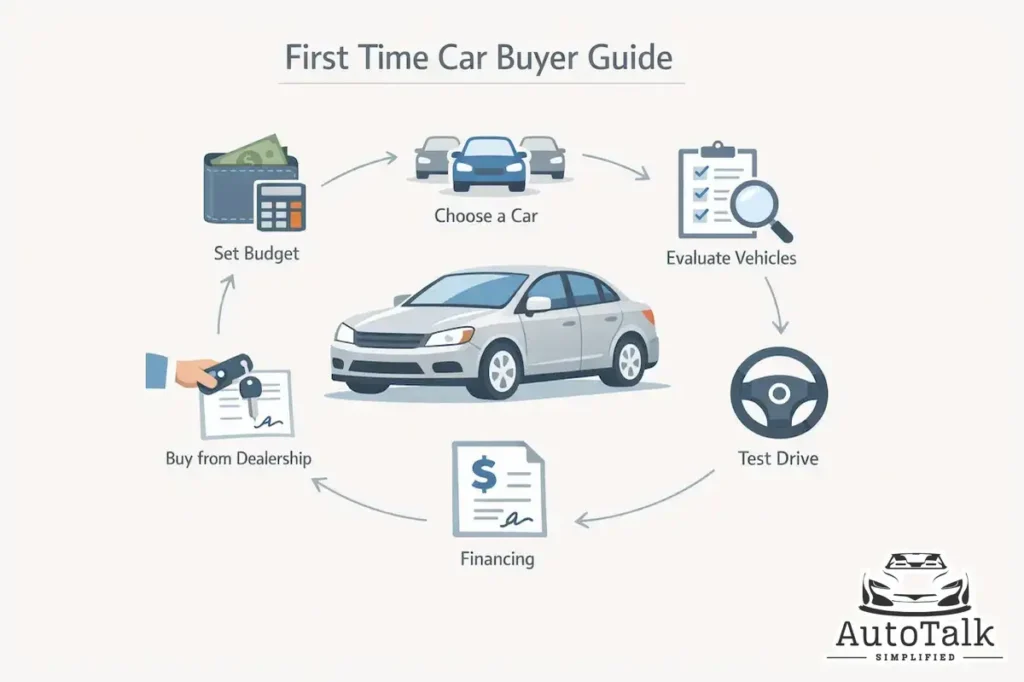
Buying your first car can feel exciting, but it is also where many beginners make costly car buying mistakes without realizing it. You might choose a car that looks right at first but later find it does not fit your daily needs or budget. These mistakes often happen because you do not fully understand what to focus on during the decision.
Even small oversights can turn into long-term problems. You may end up paying more than expected, dealing with higher ownership costs, or feeling stuck with a car that does not match your lifestyle. Many first-time buyers do not realize these issues until after the purchase, when changing the decision becomes difficult or expensive.
That is why understanding common car buying mistakes to avoid is not just helpful; it is necessary. When you know what can go wrong and understand how the car buying process actually works, you can avoid costly decisions and choose a car with more confidence.
This guide breaks down the most common mistakes at every stage of the car buying journey, so you can spot them early, avoid unnecessary costs, and choose a car that works for you in the long run.
First-time buyers often make common car buying mistakes by rushing decisions, ignoring long-term costs, skipping important steps like test drives, or not fully understanding financing. Knowing what not to do when buying a car helps you avoid costly problems and choose a vehicle that fits your needs, budget, and long-term plans.
10 Car Buying Mistakes First-Time Buyers Should Avoid
- Choosing the wrong type of car
- Ignoring reliability and ownership costs
- Ignoring insurance costs
- Rushing the research stage
- Skipping the test drive
- Not checking vehicle history
- Comparing only price or features
- Focusing only on monthly payments
- Ignoring the final purchase price
- Signing paperwork too quickly
Mistakes Before Choosing a Car
Some of the most common first time car buyer mistakes happen before you even visit a dealership. At this stage, you are still deciding what type of car fits your needs, but poor research or unclear expectations can lead to the wrong choice.
It is easy to focus on what looks good or feels exciting, but that does not always match your daily needs. Without thinking about how you will actually use the car, you may end up with something that feels inconvenient or costly over time.
Mistake 1: Choosing the Wrong Car Type
Choosing the wrong type of car is one of the most common early mistakes buyers make. Many people pick a car based on how it looks or what others recommend rather than thinking about how it will fit into their daily lives.
Before deciding, it is important to consider how you will actually use the car. This includes your daily commute, how many passengers you usually carry, how much cargo space you need, and the type of roads you drive on. For example, a small sedan may work well for city driving, while an SUV may be more practical for larger families or rougher roads.
When these factors are ignored, the car may feel inconvenient or expensive to manage over time. A vehicle that does not match your needs can lead to discomfort, higher costs, or the need to replace it sooner than expected.
Why this matters:
Choosing the wrong car type can make everyday driving less comfortable and more expensive, even if the car seemed like a good choice at first.
Mistake 2: Ignoring Reliability and Ownership Costs
Focusing only on the purchase price can lead to bigger costs later. A car may seem affordable at first, but that does not mean it will stay affordable over time.
If you are not researching car reliability before buying, you may end up dealing with frequent repairs and unexpected maintenance throughout your ownership.
Also, not checking total cost of ownership before buying a car can quickly strain your budget. You need to look beyond the price you pay today. Costs like fuel, regular maintenance, and depreciation all affect how much the car will actually cost you over time.
Why this matters:
Ignoring reliability and ownership costs can leave you paying more than expected after buying the car, even if the upfront price seems affordable.
Mistake 3: Ignoring Insurance Costs
Ignoring insurance costs can make a car more expensive than you expected. Insurance rates can vary a lot depending on the type of car you choose.
If you are ignoring car insurance costs when buying a car, you may end up with higher monthly expenses even if the car itself seems affordable. For example, cars with higher repair costs, powerful engines, or lower safety ratings often come with higher insurance premiums.
Before choosing a car, it helps to understand how insurance costs are calculated so you can estimate what you might pay and avoid surprises later.
Why this matters:
Insurance is a recurring cost, and choosing a car with higher insurance rates can increase your overall monthly expenses beyond what you planned.
Mistake 4: Rushing the Research
Rushing your decision can lead to choices you may regret later. Buying a car without taking enough time to compare options often means you miss important details.
If you are rushing the car buying decision, you may not properly compare different cars, check their features, or understand how they fit your needs. This can lead to choosing a car that looks right at first but does not work well in the long run.
Taking a little extra time to research, compare options, and think through your decision helps you make a more confident and informed choice.
Why this matters:
Rushing the decision can cause you to overlook better options and end up with a car that does not meet your needs or expectations.
Mistakes When Evaluating Cars
Once you have a few options in mind, the way you assess each car can make a big difference in your final decision. Many mistakes to avoid when buying a car happen here because it is easy to judge a car based on first impressions instead of how it will actually perform in your daily life.
Instead of focusing only on looks or price, pay attention to how the car feels when you sit in it, how easy it is to drive, and whether the space meets your needs. Check visibility, seat comfort, and how practical the layout is for everyday use. These factors affect your experience every time you drive.
It also helps to think about your routine. For example, if you mostly drive in city traffic or need to park in tight spaces, a smaller car like a sedan or hatchback will be easier to handle than a larger SUV.
If you skip these checks, you may end up choosing a car that seems right at first but does not fit your routine or daily driving conditions.
Why this matters:
Evaluating a car based only on surface-level factors can lead to a choice that feels uncomfortable, difficult to handle, or impractical in your daily use.
Mistake 5: Skipping the Test Drive
Skipping the test drive can prevent you from understanding how a car actually feels on the road. What looks good on paper or online may feel very different when you drive it.
If you are skipping the test drive when buying a car, you miss the chance to check comfort, visibility, handling, and ease of driving. These are things you cannot fully judge by just looking at the car or reading about it.
During a test drive, pay attention to how the car responds when you accelerate, brake, and turn. Notice if the seating position feels comfortable and if you have a clear view of the road. Understanding what to check during a test drive helps you evaluate the car more confidently.
Why this matters:
Without a test drive, you may choose a car that feels uncomfortable or difficult to drive, even if it seemed like a good choice at first.
Mistake 6: Not Checking Vehicle History
When buying a used car, checking its history helps you understand what the car has been through. A vehicle may look well-maintained, but past issues can affect its safety, reliability, and value.
If you are not checking vehicle history when buying a used car, you may miss important details like previous accidents, title problems, or gaps in service records. These issues are not always visible during a basic inspection but can lead to unexpected repairs later.
Before making a decision, take time to review the car’s history so you know exactly what you are buying and can avoid unpleasant surprises.
Why this matters:
A car with hidden damage or legal issues can cost more to fix and may not be as reliable as it appears.
Mistake 7: Comparing Only Price or Features
Looking at only the price or visible features can lead to a poor decision. A car may seem like a great deal because it is cheaper or has more features, but that does not always mean it is the right choice for you.
When comparing cars, you should also consider factors like safety ratings, reliability, and long-term ownership costs. Two cars with similar prices can differ a lot in how much they cost to maintain or how safe they are to drive.
If you focus only on price or features, you may overlook these important differences and end up choosing a car that does not perform well or costs more to own over time.
Why this matters:
Comparing cars without looking at safety, reliability, and long-term costs can lead to a choice that seems good upfront but becomes less practical and more expensive later.
Mistakes During the Purchase Process
Even after choosing a car, you can still make costly car buying mistakes during the final steps of the purchase. This is the stage where financing options are discussed and paperwork is completed, so the decisions you make here directly affect how much you pay overall.
It is easy to focus on finishing the process quickly, but this is when you need to slow down and review everything carefully. Loan terms, additional fees, and optional add-ons are often introduced at this stage, and they can increase the total cost of the car.
Mistake 8: Focusing Only on Monthly Payments
Focusing only on the monthly payment can hide the true cost of a car. A lower amount may look affordable, but it often comes from longer loan terms or higher interest.
If you are focusing only on monthly payment when buying a car, you may agree to terms that increase the total amount you pay over time. A small monthly payment can feel manageable, but it can lead to paying much more than the car is worth.
To avoid this, you need to look beyond the monthly number and understand the full loan details, including the interest rate, loan length, and total cost. Knowing how car financing works helps you see what you are actually paying and avoid costly decisions.
To avoid this, you need to look beyond the monthly number and understand the full loan details, including the interest rate, loan length, and total cost. You may end up paying more if you do not fully understand how car financing works before buying, which makes it harder to see the real cost over time.
Why this matters:
A low monthly payment can mislead you into accepting a deal that costs significantly more in the long run.
Mistake 9: Ignoring the Final Purchase Price
Looking only at the listed price of a car can be misleading. The final amount you pay is often higher because of additional costs added during the purchase process.
These costs may include dealer fees, taxes, registration charges, and optional add-ons like extended warranties or accessories. If you do not review these carefully, the total price can increase without you fully realizing it.
Before finalizing the purchase, it helps to understand the final steps of buying a car at a dealership so you know where these extra costs can appear and what to review. This allows you to check the full breakdown and avoid unnecessary charges.
Why this matters:
Ignoring the final purchase price can lead to paying more than expected due to hidden fees and add-ons that increase the total cost.
Mistake 10: Signing Paperwork Too Quickly
Signing paperwork without reviewing it carefully can lock you into terms you did not fully understand. This is often the final step, and many buyers rush through it just to complete the purchase.
If you are signing car purchase paperwork without understanding terms, you may agree to higher interest rates, additional fees, or optional add-ons that increase the total cost. These details are usually included in the documents, but they can be easy to miss if you do not take the time to read them.
Before signing, go through each document carefully and ask questions if something is unclear. Consider getting professional help if needed. This ensures you fully understand what you are agreeing to and helps prevent unwanted surprises later.
Why this matters:
Once the paperwork is signed, the terms are difficult to change, which can leave you paying more or agreeing to conditions you did not intend.
Frequently Asked Questions
What are the most common car buying mistakes?
The most common car buying mistakes include choosing the wrong type of car, ignoring ownership and insurance costs, skipping the test drive, not checking vehicle history, focusing only on monthly payments, and rushing through paperwork without understanding the terms.
Why do first-time buyers make mistakes when buying a car?
First-time buyers often lack experience with the car buying process, which makes it harder to know what to check and what to avoid. This can lead to quick decisions based on price, appearance, or pressure instead of long-term needs.
How can buyers avoid car buying mistakes?
You can avoid mistakes by taking time to research, comparing multiple options, checking long-term costs, and reviewing all details before making a decision. Understanding the process and knowing what to look for helps you make more confident choices.
What should buyers check before signing car paperwork?
Before signing, check the interest rate, total loan amount, monthly payment, additional fees, and any optional add-ons. Make sure you understand every term in the agreement and ask questions if anything is unclear.
Conclusion
Avoiding car buying mistakes comes down to taking your time, doing proper research, and paying attention at every stage of the process. From choosing the right type of car to reviewing final paperwork, each step plays an important role in your overall experience.
When you understand what can go wrong, you are better prepared to make smart decisions and avoid unnecessary costs. Instead of rushing, focus on evaluating your options carefully, understanding the total cost, and reviewing every detail before you commit.
A well-informed approach helps you choose a car that fits your needs, budget, and daily life without regret.
Confused about how to avoid common car buying mistakes?
Ask in the comments, and I’ll help you understand what generally matters and what to pay attention to during the buying process.